Table Of Content
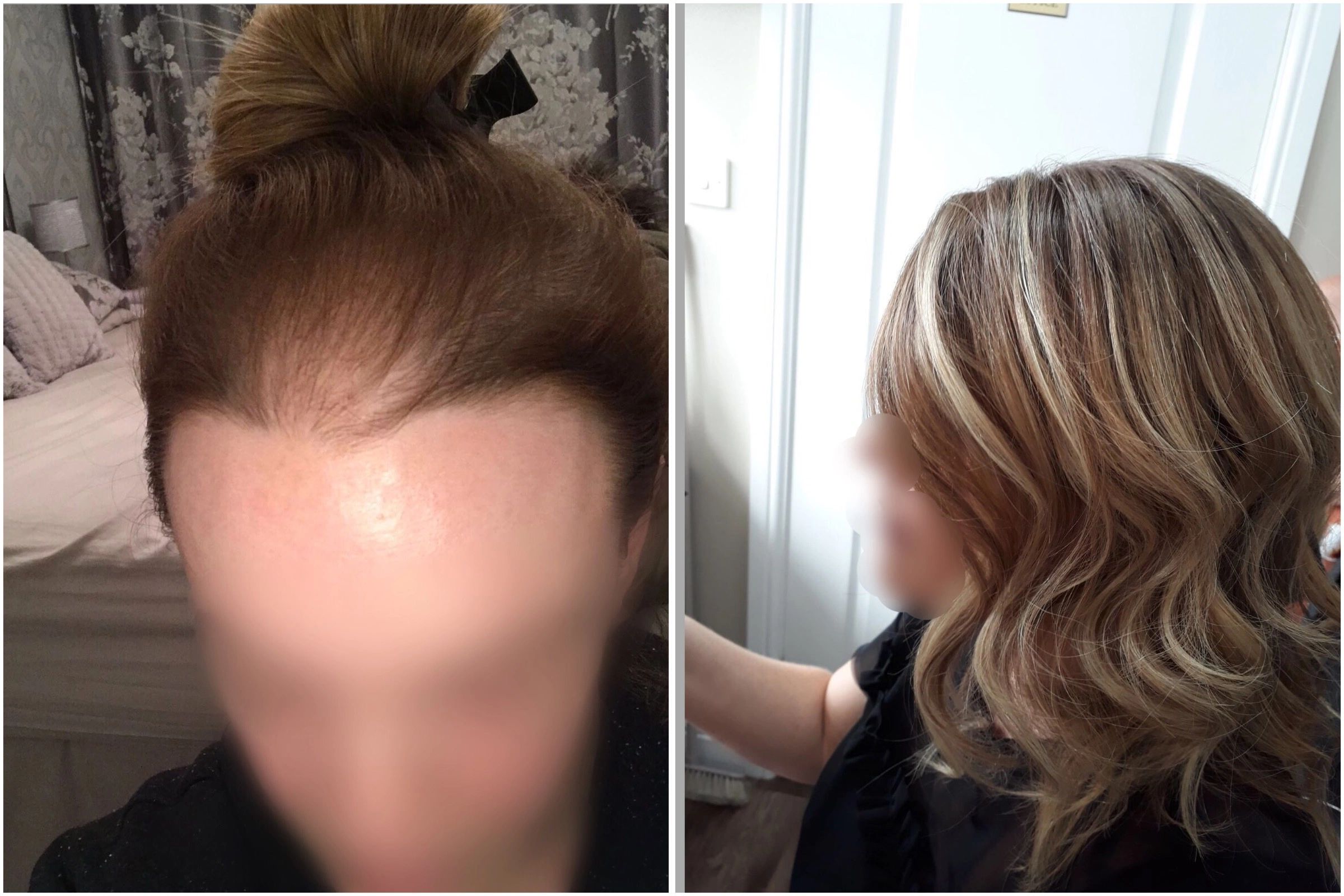
Androgenetic alopecia, a type of hair loss commonly called male or female pattern baldness, was only partially understood until the last few decades. But while testosterone is at the core of the balding process, dihydrotestosterone (DHT) is now thought to be the main culprit. The type and severity of hair loss you experience may determine the outcome (prognosis). Some types of hair loss are permanent, especially if you have damage to your hair follicles. For example, anagen and telogen shedding may stop with time.
About Mayo Clinic
Hair loss related to androgenic alopecia tends to happen gradually. While some people might experience hair loss as early as puberty, others might not notice symptoms until their middle ages. During a hair transplant procedure, a dermatologist or cosmetic surgeon removes hair from a part of the head that has hair and transplants it to a bald spot. Each patch of hair has one to several hairs (micrografts and minigrafts). Sometimes a larger strip of skin containing multiple hair groupings is taken. This procedure doesn't require hospitalization, but it is painful so you'll be given a sedation medicine to ease any discomfort.
Are there treatments that can prevent baldness?
Correcting the underlying problem is often all that’s needed to help stop hair loss. Baldness (androgenic alopecia) is the most common type of hair loss. It affects an estimated 80 million individuals in the U.S. Once the stress goes away, your hair may get back to normal in 6-9 months.
Different types of hair loss
“As soon as you notice hair loss is happening, you should come in,” says Lauren Eckert Ploch, a dermatologist in Aiken, South Carolina. While alopecia doesn’t typically affect your physical health, the emotional and psychological distress it can cause are very real. You can only receive PRP therapy from a healthcare professional. To notice the full results, you may need to continue with one or a combination of treatments for several months. If thin areas are easy to spot, consider a weave, a hairpiece, a scarf, or a hat.
Platelet-rich plasma (PRP) therapy

To help manage stress, it’s important to take some time for yourself, whether it’s a meditation session or a relaxing hobby you enjoy. You may also consider talking with a therapist if you’re having a difficult time with chronic stress. The biggest drawback of at-home laser therapy is the cost. Some machines are sold for hundreds of dollars, and they may not work. Laser therapy is typically used by dermatologists and other skin specialists. The FDA has cleared the way for some products to be used at home.
How to apply hair growth serums
Some small, limited studies have found that certain supplements and shampoos could be helpful, dermatologists say. However, your best bet if you’re suffering from hair loss is to see a board-certified dermatologist who can determine what’s causing your alopecia and then recommend a treatment plan. The FDA has approved topical tretinoin cream and gel for skin care and supportive pro-aging purposes, but not for hair loss treatments. In some circumstances, tretinoin may cause hair loss, so it’s important to only try this medication with guidance from your doctor.
Chief Medical Editor, Harvard Health Publishing
Male-pattern baldness typically appears first at the hairline or top of the head. A 2020 study tracked 79 women taking spironolactone daily (doses ranged from 25–200 mg) for a minimum of 6 months. Nearly two-thirds of participants experienced some kind of improvement after 1 year.
Can hair loss in women be prevented?
Speak with a doctor about any troubling hair loss, shedding, or thinning you may be experiencing. Your doctor can help determine the cause of your symptoms and put together a treatment plan. Doctors sometimes prescribe other treatments off-label to reduce the incidence of hair loss in women. Androgenic alopecia causes the normal hair growth cycle to shorten. As a result, hair doesn’t grow as long or thick as it normally would.
12 Best Shampoos For Hair Thinning And Loss, Per Dermatologists And Editors - Women's Health
12 Best Shampoos For Hair Thinning And Loss, Per Dermatologists And Editors.
Posted: Tue, 23 Apr 2024 07:00:00 GMT [source]
Topical minoxidil (Rogaine and generic)
Any number of lifestyle factors, genetics, recent life events (such as extreme weight loss in a short period of time or giving birth), or medical conditions can cause your hair to thin. While you may be focused on reversing thinning hair, it’s also important to try to practice good hair care techniques. While you may have heard of the negative effects of smoking throughout the entire body (including your skin), smoking has also been linked to hair loss. When applied directly to the scalp twice a day, minoxidil may gradually thicken hair in balding spots. The product is available in either liquid or foam, depending on your preference.
You should only take biotin, iron, or zinc when your blood test shows that you have a deficiency. If your levels are normal, taking a supplement can be harmful. For example, if you take too much iron, you can develop iron poisoning.
Other supplements meant to help with hair loss tend to contain a lot of one nutrient. Because this can cause you to get too much of the nutrient, many dermatologists recommend taking a multivitamin instead. It’s essential that you not become pregnant while taking spironolactone.
If you have hair loss that you find difficult to cover up (around 50% hair loss or more), or your hair loss is a result of cancer treatment, you may be eligible for a wig on the NHS. Within the first few months of treatment, you may notice that you are losing less or minimal amounts of hair. While you can buy a microneedling device without a prescription, it’s best to check with your dermatologist first. It’s also important to get the right microneedling device. A review study published in 2022 found that it significantly increases hair diameter and hair count in patients with several types of alopecia.
But you may start to notice it as early as your late teens -- and the earlier it starts, the more serious it tends to be. Hormone changes during menopause can also contribute to this type of baldness. Hair loss can occur if you wear pigtails, braids or cornrows, or use tight hair rollers. The cost (often thousands of dollars) is prohibitive for most people. Hair grows on almost all of your skin surfaces — not the palms of your hands, soles of your feet, lips or eyelids.
For instance, do you know the signs of hair loss in women? Can you tell the difference between hair loss that's temporary and hair loss that needs treatment? If your hair loss results from medication, hormonal imbalances, thyroid disease or diet, your provider will address the cause.
Good-quality wigs are more comfortable than ever -- and they rarely have bad hair days. If hair loss affects your job or social life or makes you not want to leave the house, talk with a counselor. They might suggest a short cut, a different part, maybe a gentle body wave.



No comments:
Post a Comment